On this page you can read a little about what has previously existed in Norrbyn. Below there are also links to more reading.
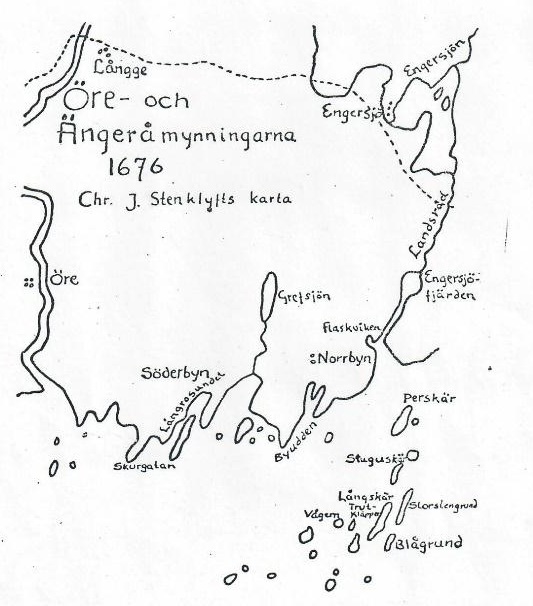
The first known settlers in Norrbyn were a fishing family from Kråken, arriving in the early 1500s. At that time, most of what is now Norrbyn was underwater.
Norrbyn was intermittently inhabited until the early 1700s. Afterwards, settled families engaged in both agriculture and fishing. In earlier centuries, a large amount of salmon was caught and sold for cash.
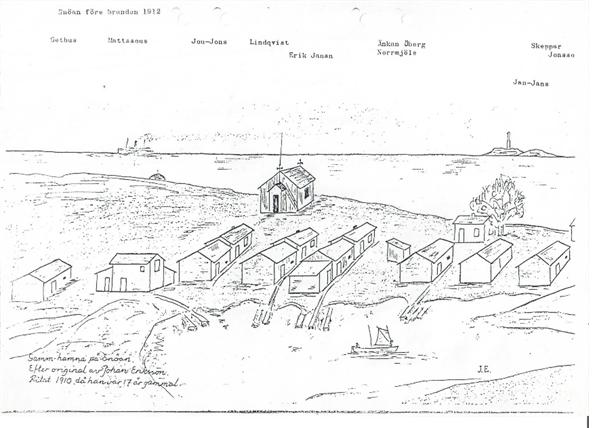
Herring fishing was nonetheless the most important for the households and mainly took place outside the island Snöan. Norrbyn’s fishermen moved out to Snöan in mid-May and did not return home until the end of September. Snöan was also used as a summer pasture for some livestock.
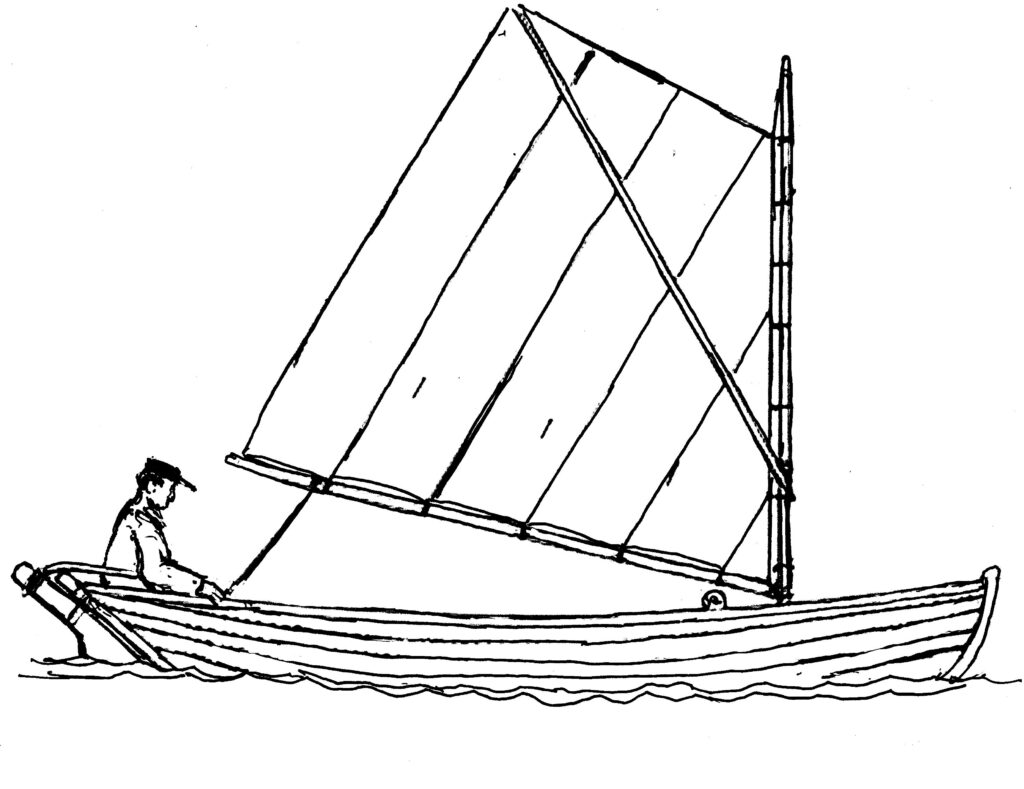
Herring fishing was divided into three periods: the first from May to June, called ”Isleken” (”Ice Play”), when fishing was conducted near Snöan with herring nets; the second from June to mid-July, called ”krokfisket,” when fishing with hooks took place in deeper waters outside Snöan; and the third period until the end of August, called ”utgrundsfisket” (”outer skerriefishing”), which was the most important. During this time, crews did not have time to return home to Snöan between setting and hauling the nets, so they stayed overnight on the boats.
Fishing was an essential livelihood for a large portion of the population, but at the end of the 19th century, circumstances changed when Mo and Domsjö in 1895 established a steam-powered sawmill on Norrbyskär. The houses on ”Skäret” were reserved for the so-called ”chosen” people from Mo, while a large number of the other workers settled in Norrbyn.
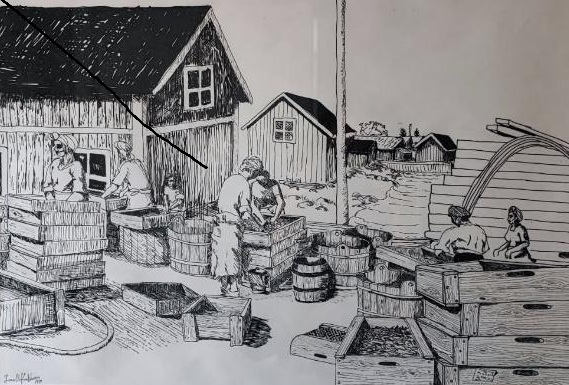
There was also seal hunting. During each night from September until the ice formed, sturdy seal nets were set at several locations between Norrbyn and Snöan. All fishing was strictly regulated by the ”Hamnförordningen” (”Harbour Ordinance”). The last update was in 1860, and the regulation ceased to be in effect around the turn of the 20th century. It was not just about fishing; the catch also had to be sold. It was salted down in barrels and, once enough was stored, the herring was shipped to Umeå. During the 20th century, fishing cooperatives were formed, and a “salting factory” was built in Norrbyn, making it easier for fishermen to sell their catches. Previously, each fisherman salted and sold his own catch.
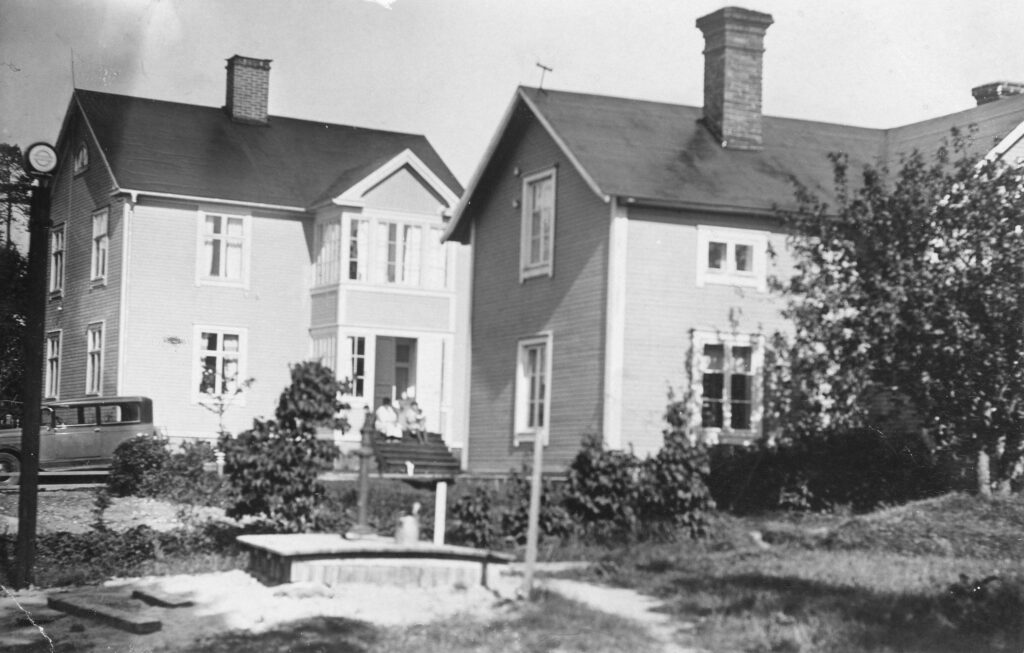
As the population increased following the establishment on Norrbyskär, the opportunities to run other businesses in Norrbyn also grew. Several enterprises were established, such as a bakery, a brewery, and a shoemaker, which supplied goods that were rowed out to households on Norrbyskär and to Hörnefors.
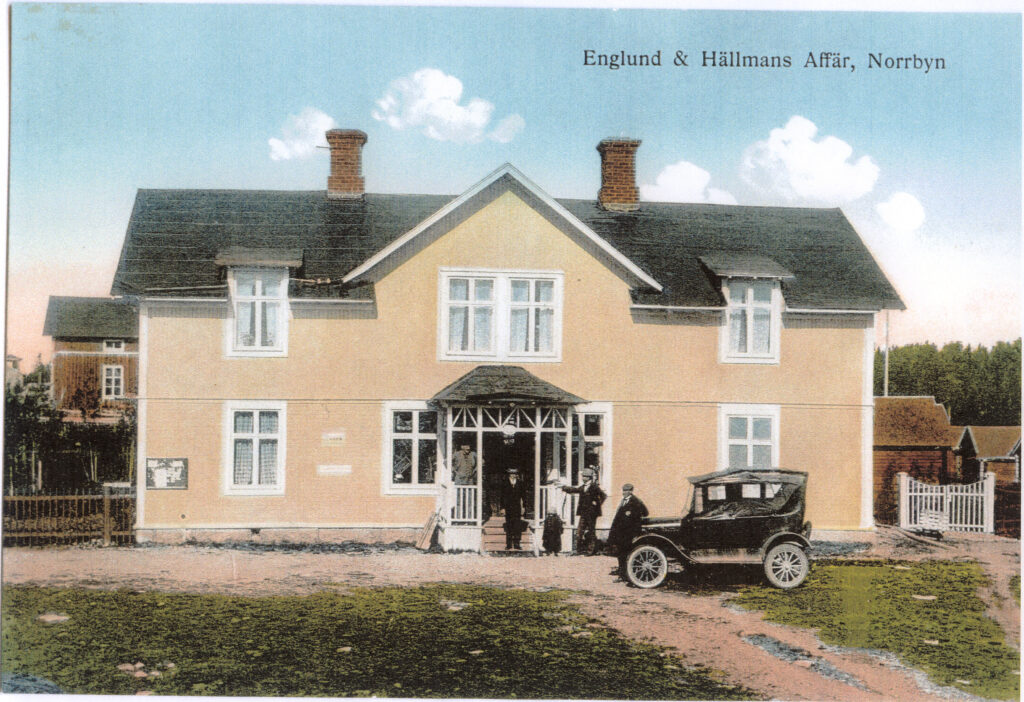
In the late 19th century, the first general store opened in the village. Over the years, new shops appeared and disappeared, and until the last one closed in the late 1980s, there has always been at least one shop, sometimes several, in the village.
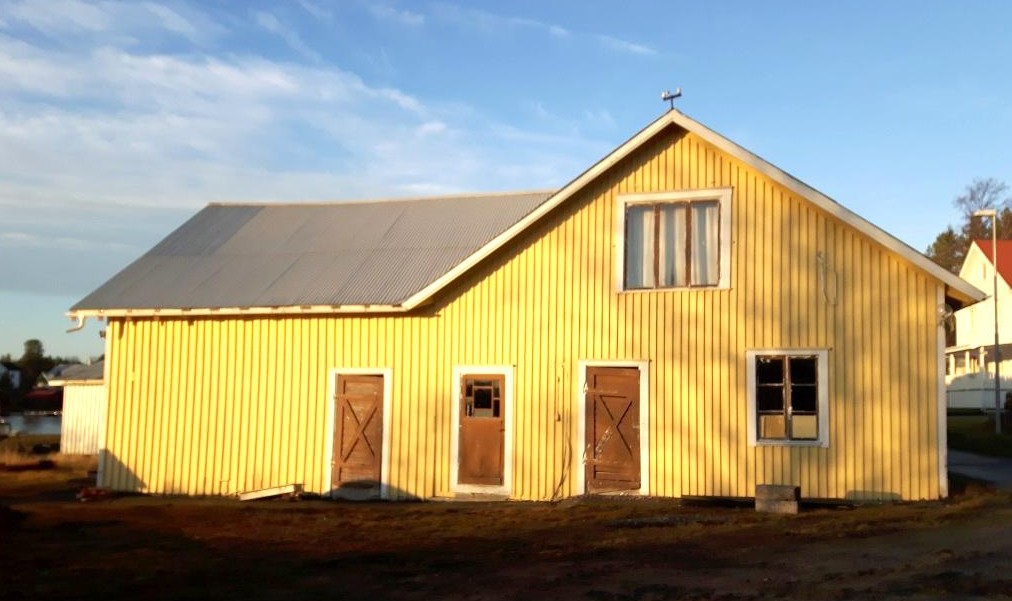
The firm Gustav Byströms Skeppsstuveri was founded in Norrbyn in 1923. It took over from all the private stevedores that had previously competed for work after the industries in Hörnefors and Norrbyskär were established. The stevedoring company changed owners and was renamed Hörnefors Stuveri AB in 1968, remaining active until the factory, in Hörnefors, closed in 1982.
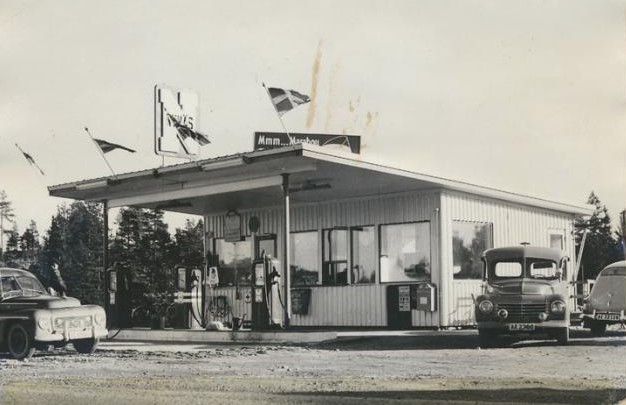
A petrol station with a kiosk was built in connection with the re-routing of the national road 13 during the 1950s. In 1960, the E4 highway was constructed, and Norrbyn lost through-traffic. However, thanks to increased recreational development and boat traffic, the kiosk and petrol station proved profitable; they ceased operations in 1965.